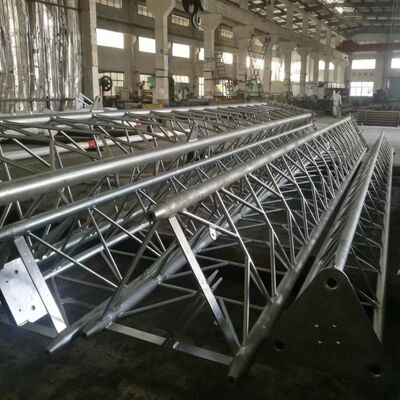
Tháp dây thép chống ăn mòn 10m-80m Marine Grade cho truyền thông ven biển

1Thông số kỹ thuật
| Thiết kế |
| 1Mã thiết kế |
EN 1991-1-4 & EN 1993-3-1 |
| Thép cấu trúc |
| 2. Đánh giá |
Thép nhẹ |
Thép kéo cao |
| GB/T 700:Q235B, Q235C,Q235D |
GB/T1591:Q345B, Q345C,Q3455D |
| ASTM A36 |
ASTM A572 Gr50 |
| EN10025: S235JR, S235J0, S235J2 |
EN10025: S355JR, S355J0, S355J2 |
| 3Thiết kế tốc độ gió |
Tối đa 250 km/h |
| 4. Sự lệch độ cho phép |
0.5 ~ 1.0 độ @ tốc độ hoạt động |
| 5. Sức mạnh căng (Mpa) |
360~510 |
470 ~ 630 |
| 6. Độ bền của năng suất (t≤16mm) (Mpa) |
355 |
235 |
| 7. Chiều dài (%) |
20 |
24 |
| 8. Sức mạnh va chạm KV (J) |
27 ((20°C) --- Q235B ((S235JR) |
27 ((20°C) --- Q345B ((S355JR) |
| 27 ((0°C) --- Q235C ((S235J0) |
27 ((0°C) --- Q345C ((S355J0) |
| 27 ((-20°C) --- Q235D ((S235J2) |
27 ((-20°C)---Q345D ((S355J2) |
| Vít và hạt |
| 9. Đánh giá |
Lớp 4.8, 6.8, 8.8 |
| 10Các tiêu chuẩn cho tính chất cơ học |
| 10.1 Vít |
ISO 898-1 |
| 10.2 Các loại hạt |
ISO 898-2 |
| 10.3 Máy giặt |
ISO 6507-1 |
| 11. Tiêu chuẩn về kích thước |
| 11.1 Vít |
DIN7990, DIN931, DIN933 |
| 11.2 Các loại hạt |
ISO4032, ISO4034 |
| 11.3 Máy giặt |
DIN7989, DIN127B, ISO7091 |
| Phối hàn |
| 12Phương pháp |
Phối hợp CO2 hàn cung và hàn cung chìm (SAW) |
| 13. Tiêu chuẩn |
AWS D1.1 |
| Đánh dấu |
| 14Phương pháp đánh dấu các thành phần |
Đánh dấu máy in thủy lực |
| Tăng nhựa |
| 15Tiêu chuẩn galvanize của các phần thép |
ISO 1461 hoặc ASTM A123 |
| 16Tiêu chuẩn galvanize của các cọc và các hạt |
ISO 1461 hoặc ASTM A153 |
Tháp tháp dây thép kiểu gì vậy?
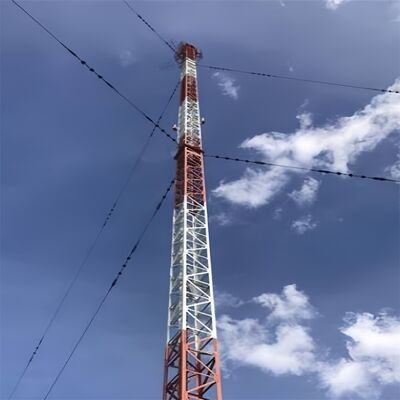
Cơ thể tháp của một tháp dây dẫn (tháp cột dẫn) là cấu trúc chịu tải trung tâm, mỏng để hỗ trợ ăng-ten, cảm biến hoặc thiết bị khác,dựa vào các dây guy bên ngoài cho sự ổn định bên (thay vì độ cứng tự hỗ trợ)Thông thường được xây dựng như mộtkhung thép ống hoặc lưới, nó hẹp hơn so với các tháp tự nâng và có thiết kế cong (rộng hơn ở đáy, hẹp hơn ở đầu) để tối ưu hóa phân phối tải và chống gió.Cơ thể tháp được chế tạo từ thép cấu trúc kẽm (đối với tiêu chuẩn ASTM A36/S235JR) để đảm bảo khả năng chống ăn mòn và độ bền lâu dài trong môi trường ngoài trờiNó phục vụ như là cơ sở lắp đặt cho các phụ kiện chính như thang leo, ăng-ten và khay cáp,và thiết kế mô-đun của nó cho phép tùy chỉnh chiều cao từ 30m đến hơn 200m, phù hợp với các ứng dụng như phát thanh truyền hình, viễn thông hoặc giám sát khí tượng.
Làm thế nào để gắn ăng-ten trên tháp dây thép?
Lắp đặt một ăng ten trên một tháp dây thép theo dõi một quy trình có cấu trúc, tuân thủ an toàn phù hợp với thiết kế và tiêu chuẩn công nghiệp của tháp:
- Chuẩn bị trước khi lắp đặt: Kiểm tra khả năng chịu tải của tháp để đảm bảo nó có thể chịu được trọng lượng của ăng ten (bao gồm phần cứng và cáp liên quan). Kiểm tra thân tháp về ăn mòn, thiệt hại cấu trúc,hoặc kết nối lỏng lẻo, và xác nhận sự tuân thủ các quy tắc an toàn địa phương (ví dụ, IEC 62305 về bảo vệ sét).
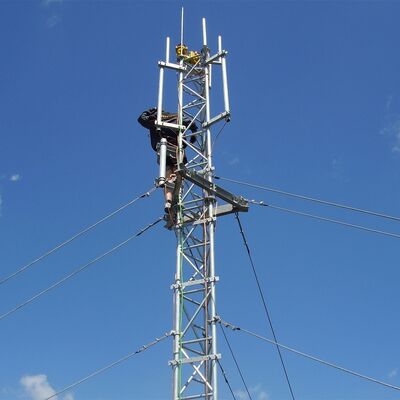
- Cài đặt ăng-ten: Tích các bộ gắn ăng-ten chuyên dụng (phụ kiện tích hợp của tháp) vào các điểm được chỉ định trước trên thân tháp.Những gắn máy này thường được bảo vệ bằng cách sử dụng các bu lông mạnh tương thích với cấu trúc thép kẽm của tháp, đảm bảo một kết nối vững chắc chịu được sức mạnh gió và rung động.
- Nâng ăng-ten và định vị: Sử dụng cần cẩu hoặc thiết bị nâng chuyên dụng để nâng ăng-ten lên độ cao mục tiêu (được lựa chọn chiến lược để bảo vệ tín hiệu tối ưu).Phân chỉnh ăng-ten theo hướng truyền / tiếp nhận dự định, sử dụng công cụ laser hoặc đồng hồ sắp xếp để chính xác.
- Bảo vệ ăng-ten: Tắt ăng-ten vào các cột gắn sẵn bằng cách sử dụng phần cứng tương thích, thắt các vít đến mô-men xoắn được chỉ định để ngăn chặn chuyển động.không có sự lắc lư có thể ảnh hưởng đến hiệu suất hoặc tính toàn vẹn cấu trúc.
- Đường dẫn cáp & tích hợp: Đưa các dây cáp tín hiệu hoặc bộ cấp thông qua các khay cáp tích hợp của tháp để bảo vệ chúng khỏi thiệt hại môi trường.đảm bảo cách nhiệt và chống thấm thích hợp tại các điểm kết nối.
- Kiểm tra cuối cùng: Thực hiện kiểm tra trực quan của ăng-ten, gắn và cáp để xác nhận cài đặt an toàn. Kiểm tra truyền tín hiệu / nhận tín hiệu của ăng-ten để xác minh chức năng,và đảm bảo tất cả các giao thức an toàn (e(ví dụ, bảo vệ người lao động khỏi té ngã) được theo dõi trong suốt quá trình.
Thiết bị chống leo lên trên tháp dây thép là gì?
Thiết bị chống leo lên cho một tháp dây thép là một thành phần an toàn chuyên dụng được lắp đặt trên thân tháp để ngăn chặn truy cập trái phép và giảm nguy cơ té.
- Áp áo chống leo lên: Các hàng rào thép hình tròn hoặc hình nón được lắp đặt gần chân của tháp (thường là 2 ̊3m trên mặt đất) để ngăn chặn các nỗ lực leo lên bằng cách từ chối tay cầm hoặc chân.
- Các chất răn đe đục hoặc nhọn: Thiết bị thép không gây chết người, nhọn trên các phần tháp thấp hơn hoặc thang để ngăn chặn leo lên không được phép.
- Truy cập bị khóa: Nếu tháp được trang bị một bảng điều khiển truy cập ở tầng trệt hoặc cửa ra cầu thang, cổng bị khóa chỉ giới hạn quyền truy cập cho nhân viên được chứng nhận.
Các thiết bị này được chế tạo từ vật liệu chống ăn mòn (ví dụ: thép kẽm, phù hợp với thân tháp) để chịu được điều kiện ngoài trời.Mục đích chính của chúng là tăng cường an toàn bằng cách ngăn chặn việc leo núi vô tình hoặc cố ý bởi những người không được đào tạo, phù hợp với các quy tắc an toàn xây dựng địa phương và giảm thiểu trách nhiệm cho các nhà khai thác tháp.
Làm thế nào để kết nối dây thép và tháp dây thép?
Kết nối dây thép guy với một tháp dây thép guyed liên quan đến một quá trình an toàn, chịu tải để đảm bảo các dây có thể ổn định hiệu quả tháp chống lại gió và lực địa chấn:
- Chuẩn bị: Chọn dây guy được làm bằng dây thép cao độ kéo (đối với ASTM A475) với lớp phủ kẽm hoặc polyme để bền.các ngoặc, hoặc crossarms) ở khoảng cách 20-30m, như được chỉ định trong thiết kế của tháp.
- Lắp đặt phần cứng đính kèm: Lắp đặt dây thép đeo tay hoặc kheo vào các điểm gắn được chỉ định trước của tháp bằng cách sử dụng bu lông bền cao (hợp tác với cấu trúc thép kẽm của tháp).Những brackets được thiết kế để phân phối căng thẳng đồng đều trên cơ thể tháp.
- Kết thúc dây: Sử dụng phụ kiện kết thúc chuyên nghiệp (ví dụ, tay áo swage, kẹp cáp, hoặc ngón tay) để đảm bảo cuối của mỗi dây guy. tay áo swage được nghiền vào dây cho một vĩnh viễn,kết nối mạnh mẽ, trong khi kẹp cáp cung cấp điều chỉnh căng.
- Kết nối và căng thẳng: Tắt đầu kết thúc của dây guy vào khung tháp bằng cách sử dụng dây xích hoặc chân, đảm bảo phù hợp an toàn mà không có nếp nhăn.một vòng quay hoặc đi cùng) để điều chỉnh căng dây theo thông số kỹ thuật thiết kế quan trọng để cân bằng lực bên trên tháp.
- Kiểm tra: Kiểm tra rằng kết nối được sắp xếp với cấu trúc cong của tháp và rằng dây được căng đồng đều (tránh quá căng, có thể gây căng thẳng cho thân tháp).Xác nhận phần cứng và kết thúc phụ kiện là chống ăn mòn và tuân thủ các tiêu chuẩn an toàn của tháp.
Làm thế nào để kết nối dây và chốt neo?
Kết nối dây thép với các bu lông neo được ghép vào thép (anchor đất) là một bước quan trọng để chuyển căng của dây sang mặt đất, đảm bảo sự ổn định của tháp:
- Chuẩn bị neo: Đảm bảo neo đất (anchor bê tông hoặc thép hạng nặng, được thiết kế cho tải trọng căng) được lắp đặt đúng cách trong đất ở góc 45 ∼ 60 ° so với dây dẫn.Các neo phải được hoàn toàn cứng (đối với bê tông) và được nhúng chắc chắn để chống lại lực kéo ra.
- Phơi nhiễm bóng neo: Đảm bảo cọc đầu của neo (cọc neo dẫn đường) nhô ra trên mặt đất và được lề để chứa phần cứng kết nối.Vít nên được làm bằng thép mạnh để chịu được sự căng thẳng của dây guy.
- Kết thúc dây: Kết thúc đầu tự do của dây guy bằng cách sử dụng các phụ kiện mạnh mẽ tương tự (vòng tay, kẹp cáp hoặc ngón tay) được sử dụng cho kết nối tháp, đảm bảo một đầu an toàn, chịu tải.
- Bộ máy kết nối phần cứng: gắn một vòng quay (để điều chỉnh căng) và một dây xích để dây guy kết thúc.cho phép điều chỉnh tinh tế của dây căng.
- Kéo căng và bảo vệ: Sử dụng vòng quay để căng dây guy đến thông số kỹ thuật yêu cầu, đảm bảo nó chống lại lực bên mà không kéo neo.khóa vòng quay bằng chốt chốt hoặc nốt khóa để ngăn chặn nới lỏng theo thời gian.
- Kiểm tra cuối cùng: Kiểm tra rằng kết nối là an toàn, neo không cho thấy dấu hiệu chuyển động, và dây guy được sắp xếp ở góc 45 ∼ 60 ° chính xác.và kết thúc dây, đảm bảo tuân thủ IEC 62305 và các mã an toàn địa phương.
Vui lòng nhấp vào đây để biết thêm thông tin!!!!!!
3Hợp tác Khách hàng
4Chứng chỉ
5Dịch vụ của chúng tôi
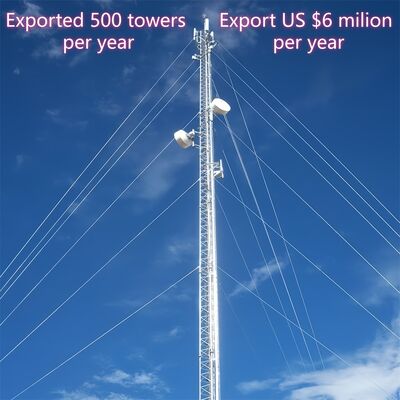
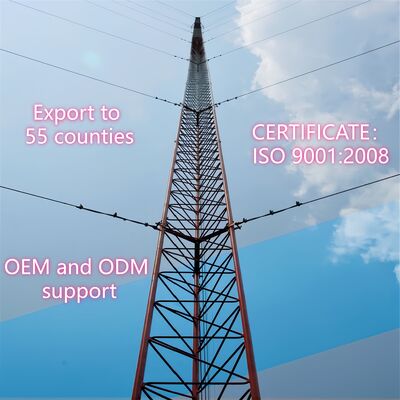
JIAYAO CO., LTD. là một nhà sản xuất tháp viễn thông chuyên nghiệp và được chứng nhận bởi ISO9001.Nhiều sản phẩm đã được xuất khẩu sang Mỹ, Châu Âu và 55 quận khác nhau.
Chúng tôi chuyên thiết kế và sản xuất tháp thép góc, tháp thép ống, tháp độc quyền, tháp cây thông, tháp guyed và tháp canh.phòng thí nghiệm, QC, bộ phận thép và tháp thép. nguyên liệu của chúng tôi đến từ các nhà máy thép nổi tiếng ở Trung Quốc: HBIS Group, Baowu Steel Group, Shougang Group.
Nếu bạn cần nó, chúng tôi sẽ chào đón bạn 24 giờ một ngày!